 THE MAGGIE MARSHALL TEAMLet’s connect

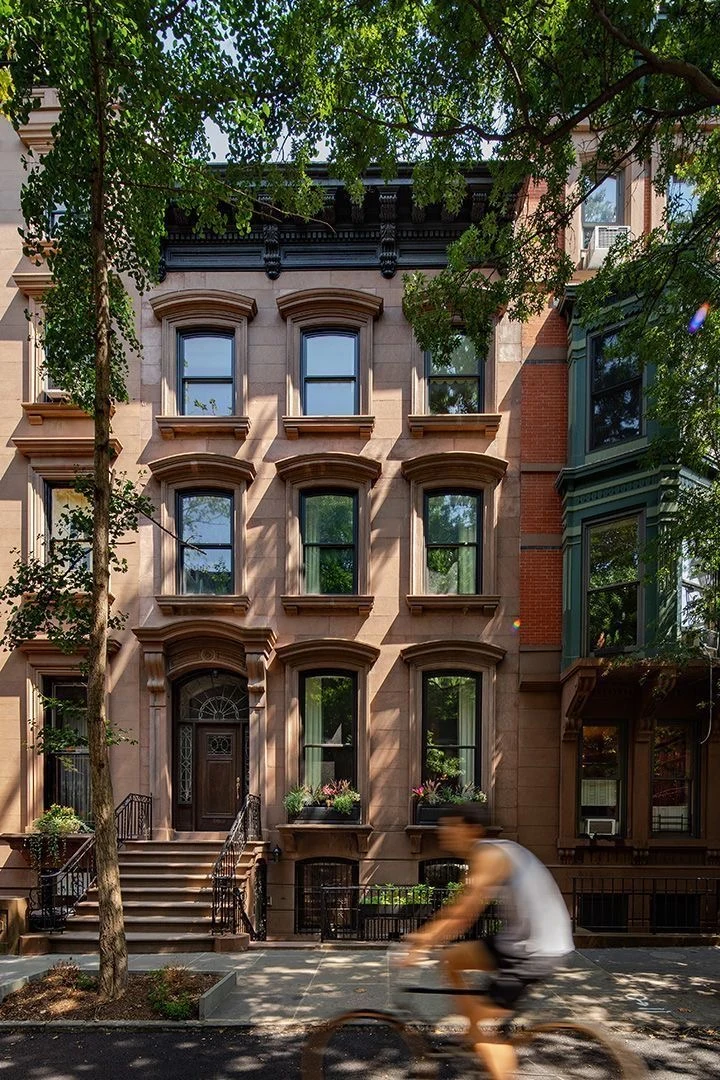
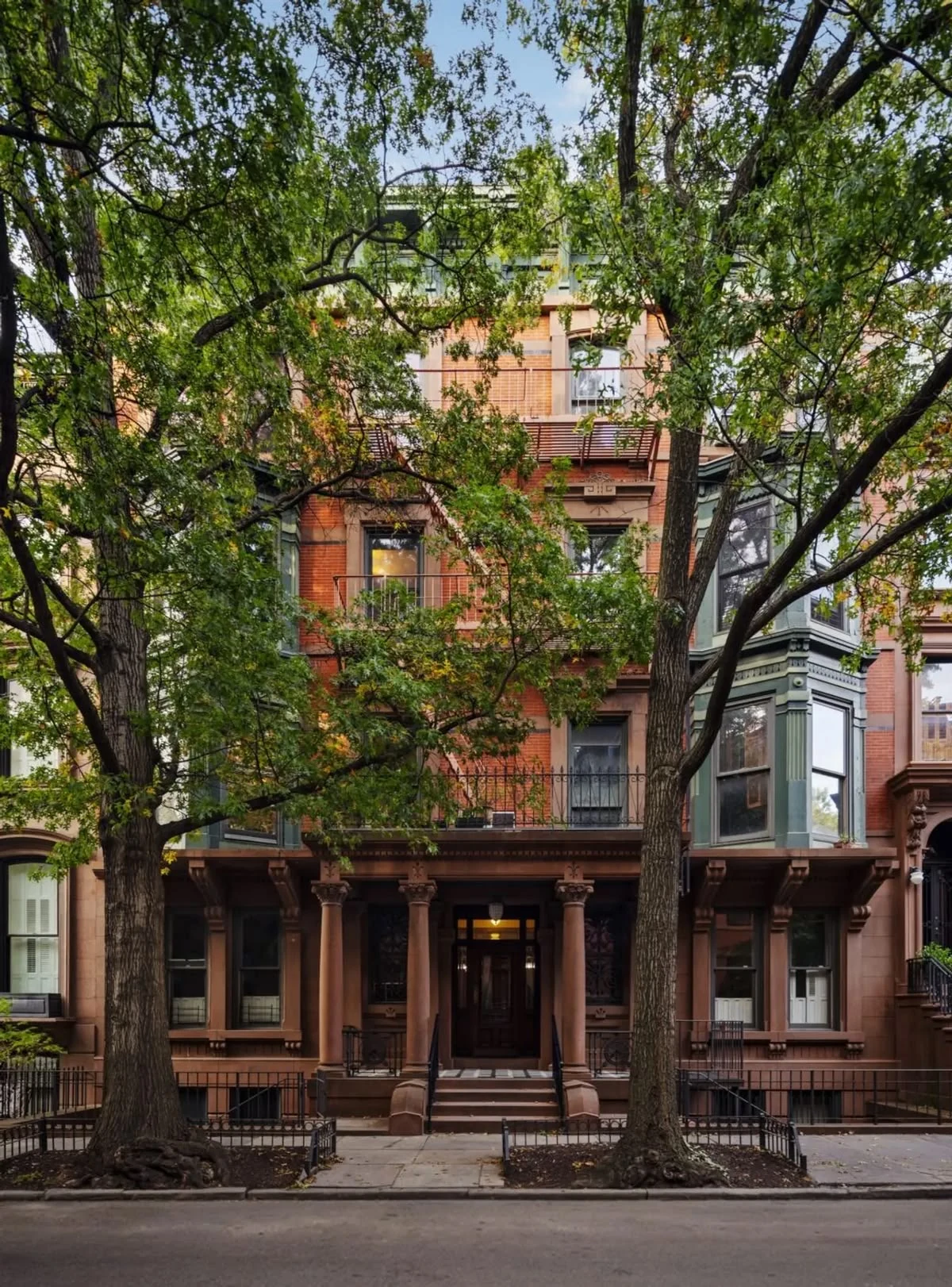
Brooklyn Heights has preserved a remarkably cohesive architectural identity. Its tree-lined streets, nineteenth-century townhouses, and proximity to the East River give the neighborhood a character that feels both distinctly urban and remarkably residential. Yet beneath its cohesive streetscape lies an unusually varied collection of properties, where architectural history, building condition, and the details of ownership can make two seemingly comparable homes very different investments.
Brooklyn Heights has long occupied a singular place in New York's residential history. Developed in the early nineteenth century as one of the city's earliest commuter suburbs, the neighborhood attracted residents seeking space and privacy within easy reach of Manhattan. Its surviving architecture reflects successive periods of growth, from modest Federal-style brick houses to grand Greek Revival and Italianate brownstones. In 1965, Brooklyn Heights became New York City's first designated historic district, establishing protections that helped preserve the scale and character of its residential streets. 1 2 3
That architectural continuity is central to the neighborhood's appeal. Streets such as Willow, Hicks, Pierrepont, and Remsen offer an extraordinary concentration of historic homes, but their visual similarities can obscure significant differences in how those properties function. A townhouse that retains its original staircase, decorative plasterwork, and parlor-floor proportions may offer an entirely different living experience from one that has been comprehensively modernized. Neither approach is inherently superior. The question is whether the renovation respects the property's underlying architecture while accommodating the practical requirements of contemporary life. 1
For townhouse buyers, understanding a property's history is especially important. Many Brooklyn Heights houses have undergone multiple transformations, including conversions into apartments and subsequent restorations to single-family use. Those changes can affect everything from floor plans and mechanical systems to certificates of occupancy and the feasibility of future alterations. A beautifully presented interior does not necessarily reveal the condition of the building envelope, the quality of structural work, or the extent to which renovations were properly documented. 1 7
Historic district designation introduces another consideration. Most exterior changes to buildings in the historic district require review by the New York City Landmarks Preservation Commission, including changes that are not visible from the street. Ordinary repairs and maintenance may be exempt. Proposals involving window replacements, facades or roof additions can require LPC approval even when a Department of Buildings permit is not needed. These requirements help protect the neighborhood's architectural integrity, but they also influence the cost, timing, and flexibility of future improvements. For buyers contemplating a substantial renovation, understanding those limitations before purchasing is essential. 4 5
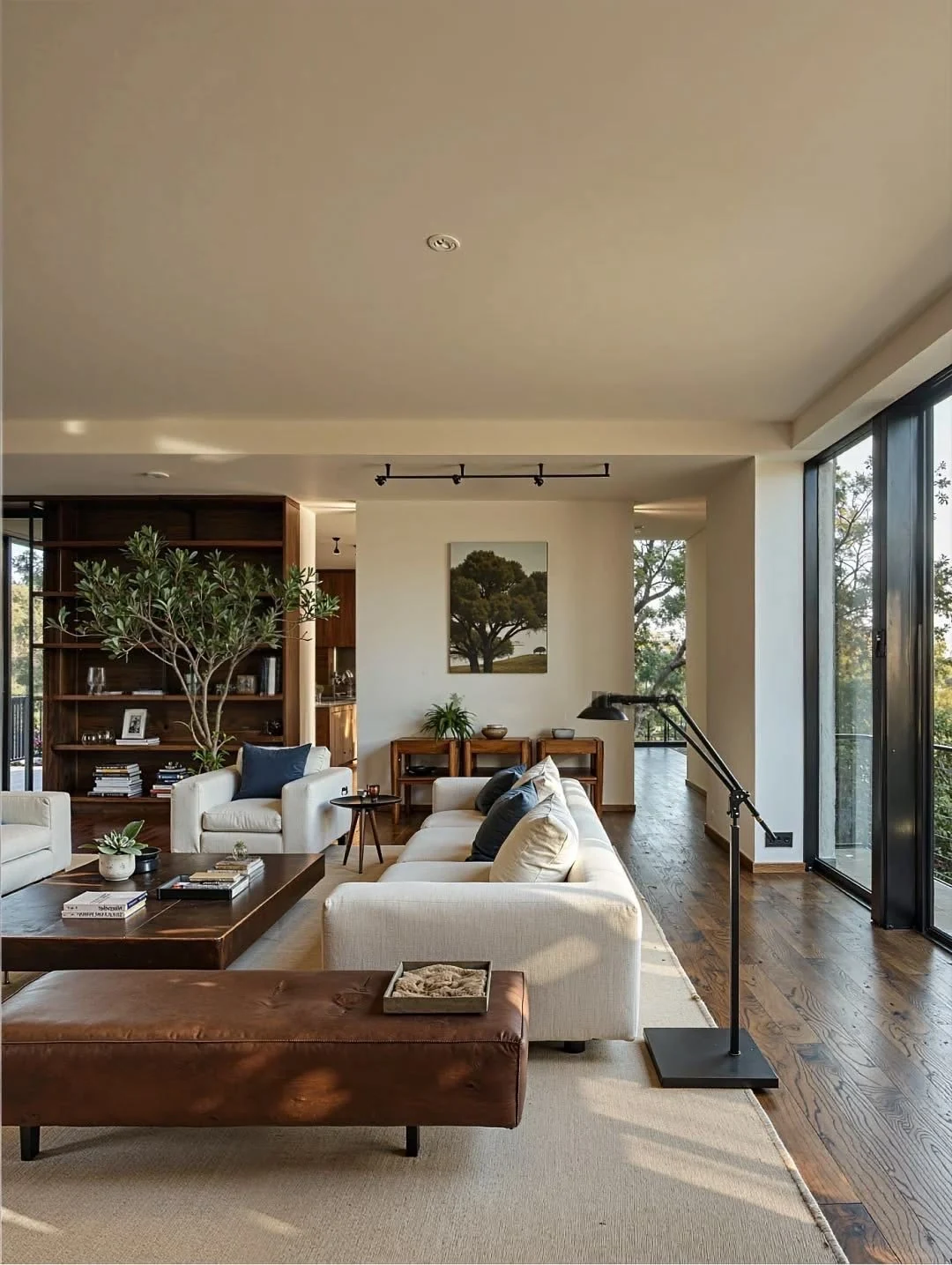
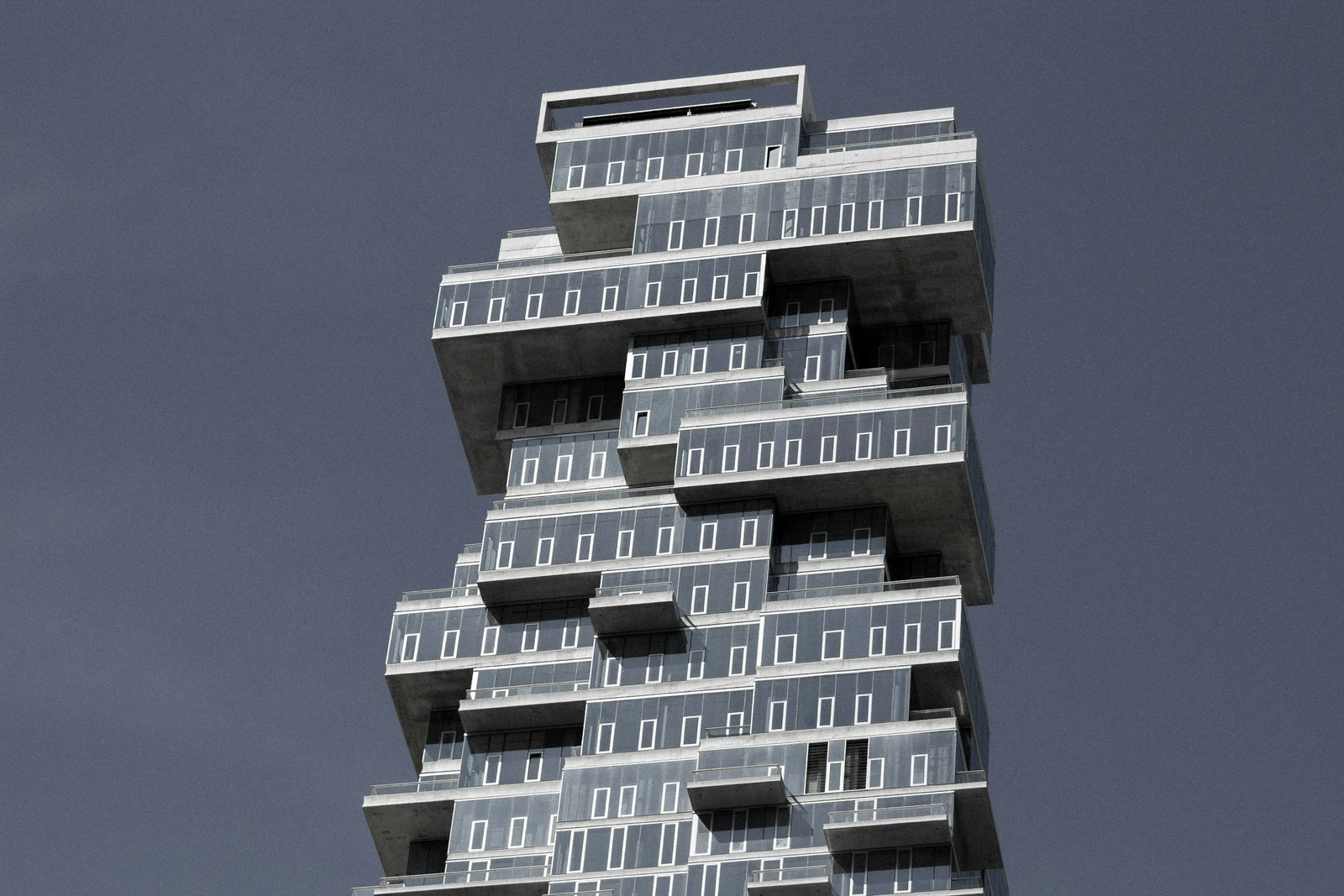
The neighborhood's residential options extend well beyond townhouses. Brooklyn Heights contains an established collection of prewar cooperative buildings, smaller apartment houses, converted residences, and condominiums. Each offers a different balance of architectural character, ownership structure, services, and long-term financial obligations. A gracious prewar cooperative may provide generous proportions and an established residential environment, while a condominium brings a different ownership structure, with its own governing documents and rules for use. The distinction is not simply one of preference; building financials, maintenance obligations, renovation policies, and governance can materially affect the experience of ownership. 6
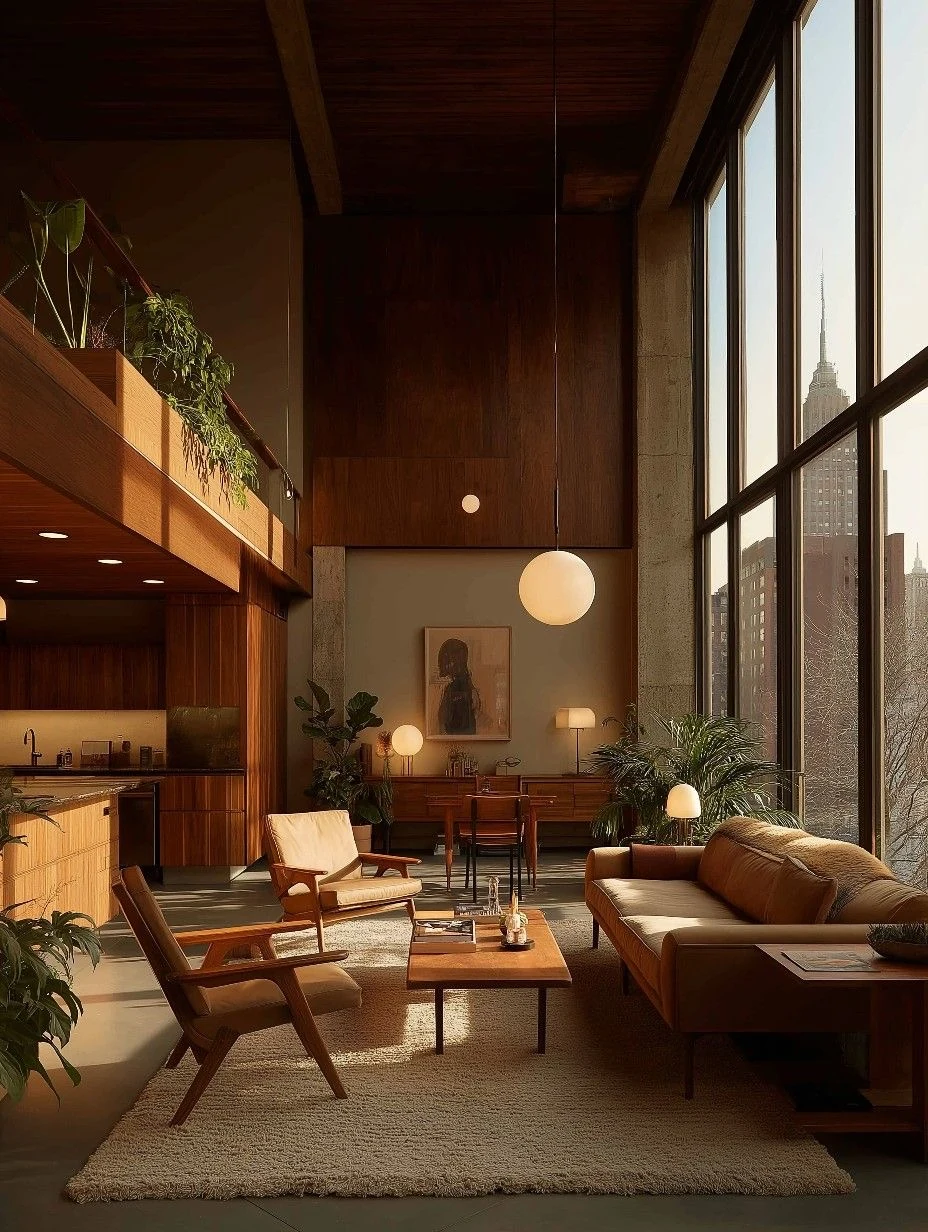
Location within Brooklyn Heights deserves equally careful consideration. The streets approaching the Promenade offer a particular relationship to the waterfront and Manhattan skyline, while the neighborhood's interior blocks are prized for their intimate scale and relative tranquility. Proximity to Montague Street, Brooklyn Bridge Park, transit, and the surrounding neighborhoods creates meaningful differences in convenience and daily life. Even within a few blocks, light, exposure, traffic patterns, and the relationship between neighboring buildings can change the character of a home. 2
These distinctions become especially consequential when evaluating value. Historic architecture and a desirable address establish the context for a purchase, but they do not, on their own, determine what a property is worth. For a townhouse, the quality of renovation, width, configuration, outdoor space, natural light, and underlying building condition all deserve consideration. For an apartment, the strength of the building, monthly carrying costs, floor plan, exposure, and ownership restrictions may be just as important as the finishes. Comparable sales provide a starting point, but meaningful comparisons require an understanding of why one property commands a premium over another. 6
Brooklyn Heights rewards that level of scrutiny. Its appeal has endured not because its homes are interchangeable, but because they offer a rare combination of architectural individuality and neighborhood continuity. For buyers, the opportunity lies in recognizing which qualities are intrinsic to a property, which can be improved, and which limitations are likely to remain.
At MM&Co., our approach to Brooklyn Heights real estate begins with that distinction. Whether evaluating a historic townhouse, a prewar cooperative, or a contemporary condominium, the objective is to look beyond the address and presentation to understand the property itself. In a neighborhood where the most important differences are often the least immediately visible, informed judgment remains one of the most valuable parts of the purchase process.