 THE MAGGIE MARSHALL TEAMLet’s connect
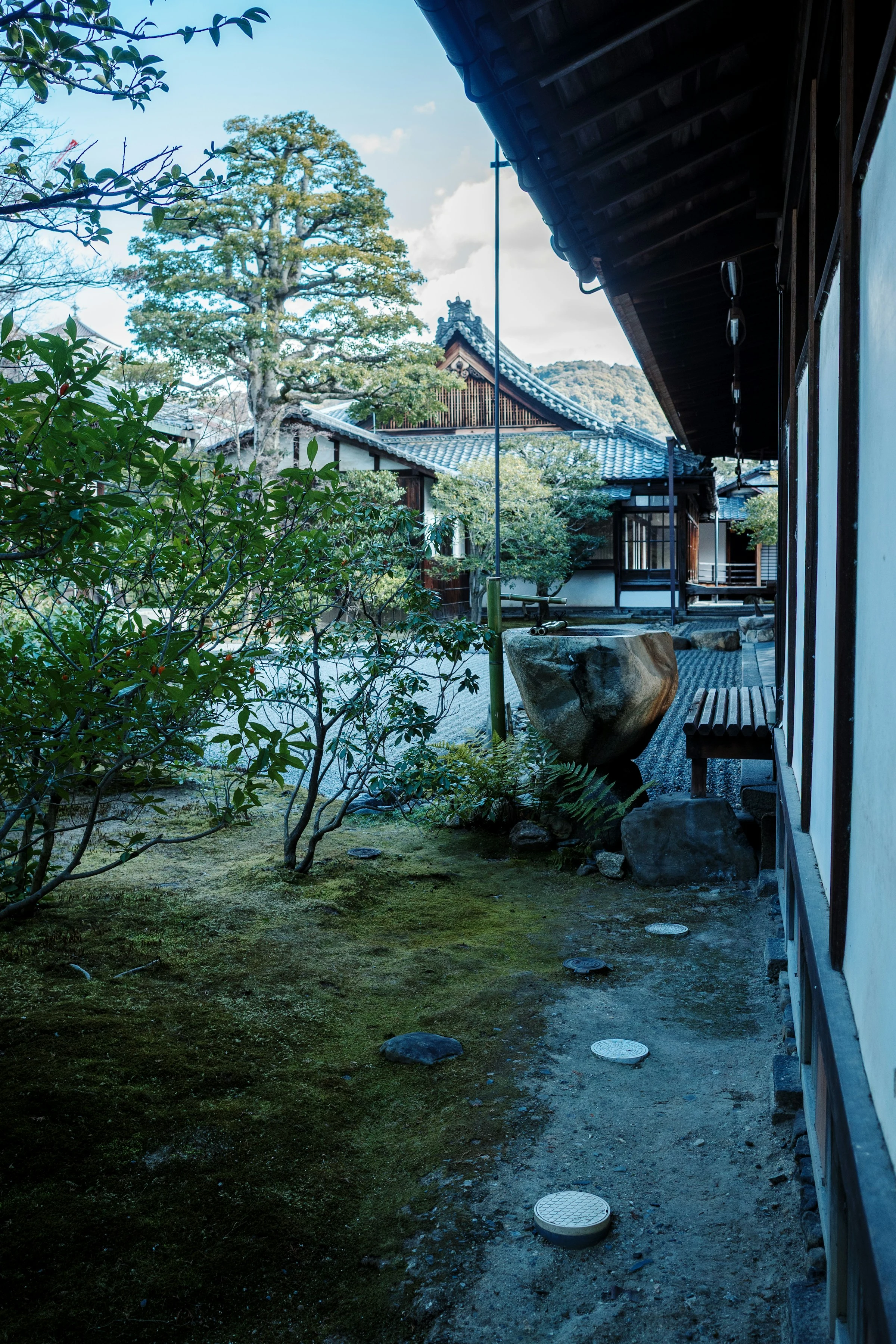
Concrete block and a corrugated steel ceiling make an unceremonious frame for sculpture at The Noguchi Museum. Visitors enter through an indoor-outdoor gallery, a covered space still open to the air. The materials recall the site’s industrial past; the large stone works ask for a different kind of attention. Before the garden, before a long account of the artist, there is the encounter between a surface and its surroundings. 1
In Long Island City, Isamu Noguchi made the setting part of the work. The museum he founded opened on May 11, 1985, bringing his sculpture into a combination of existing industrial rooms, a new pavilion and a garden. The institution’s vision still describes the place as a total environment created by the artist. That is a useful way to approach it: look at the interval around an object as carefully as the object itself. 2
A building allowed to keep its character
Noguchi established his Long Island City studio in 1961. In May 1974 he bought the red-brick building across the street and its adjoining courtyard. The museum’s history identifies the building as a 1929 structure that had housed a photoengraving supply business. Its conversion did not require the old fabric to disappear. 3
The exposed steel and wood beams interested Noguchi, as did a metal ceiling with the marks of its earlier life. He incorporated those elements into the museum. On an adjacent site, previously occupied by a service station, he worked with architect Shoji Sadao on the concrete-block pavilion. The additions and the retained rooms belong to different moments, and allow those differences to remain visible. 3
This is the architectural pleasure of the place. A plain construction material can hold its own beside a carefully worked sculpture. The room need not pretend to be made from the same substance, or conceal every trace of a previous purpose. Pay attention to a joint, an opening or the edge of a ceiling. These details help explain how the setting receives the work.
The garden continues the room
The museum presents the garden as a continuation of the ground-floor galleries. Noguchi selected its plantings as well as its sculptures; the institution identifies the plants as native to Japan, the United States or both. Open sky and living growth change the surroundings without turning the garden into a separate subject. 1
The history of its making gives that relationship a practical dimension. Noguchi enlisted local plant specialist Tim DuVal to help select trees and plants. Texture and form mattered to him, the museum’s account explains. The planting was considered alongside the sculpture, with its own shapes and surfaces to contribute. 3
For a visit, resist the urge to move immediately from one named work to the next. Choose a position from which you can see a sculpture and something beyond it. Then change position. A gap, an overlapping outline or a different background can become the reason to keep looking. This is an invitation to spend time with a relationship rather than to collect a sequence of views.
Let the material complicate the first impression
Even a work’s material label can make the encounter more interesting. The museum’s record for To Tallness, dated 1981, identifies Manazuru stone. In the artist’s account accompanying the work, Noguchi recalls having used different names for it, but locates its origin at Manazuru, near Odawara in Japan. He explains that the particular stone guided the carving. The finished form began with something already there. 4
That account suggests a patient way to look: consider where the sculptor accepted the material and where an intervention becomes visible. There is no need to solve the work as a puzzle. The pleasure is in allowing the surface to remain particular, rather than translating it too quickly into a familiar shape or a decorative category.
The collection record for Behind Inner Seeking Shiva Dancing gives its material as basalt and dates it 1975–81. Noguchi’s accompanying account describes working with a section removed from another sculpture, The Great Rock of Inner Seeking. Here, a piece left from an earlier work became the beginning of a further one. The catalogue’s dates and the artist’s recollection invite attention to a process extending beyond a single finished object. 5
These are useful reminders to carry into any room containing art. A label offers information; it cannot exhaust the encounter. Leave time to notice what the material is doing, and enough space in the arrangement for that attention to be possible. The museum gives those decisions an architectural scale.
Before you go
The museum is at 9-01 33rd Road, at Vernon Boulevard. For this edition, there is a specific planning note: its visitor page says the second-floor galleries are closed from September 16 through November 1, 2026, for installation of No Ordinary Light: Akari at 75. The museum advertises half-price admission during that interval. Check the visitor page again before setting out; this note was checked October 27. 6
Its published policy also asks visitors to move with consideration for the artworks, plantings and other people. Use the permitted routes and follow staff guidance. A gallery without a conspicuous barrier is still a place for looking, not an invitation to handle a sculpture. 6
Allow the visit to be modest in its ambitions. One room, one work and one change of viewpoint can be enough to make the arrangement legible. The useful thing to take home is an attentiveness to what sits around an object: the wall behind it, the light reaching it and the room left for someone to pause.