 THE MAGGIE MARSHALL TEAMLet’s connect

MM&Co. analysis · Maggie Marshall’s perspective. Reported figures are cited below.
Downtown Manhattan has long been one of New York City's most desirable residential markets, but the economics of building there are changing the new development landscape. In neighborhoods like the West Village, Tribeca and SoHo, the combination of extraordinarily high land values, construction costs and limited development opportunities can push projects toward the very top of the luxury market. When the cost of creating new inventory is this substantial, developers have a strong incentive to seek exceptional prices to make the investment worthwhile.
Two West Village developments, 80 Clarkson Street and 140 Jane Street, illustrate this shift. One is a large-scale waterfront project with an extensive amenity program, while the other is an intimate boutique condominium originally planned with 15 residences. Their approaches are different, but the financial equation is similar: the cost of delivering new homes in prime downtown locations creates an incentive for a product capable of commanding a substantial premium. 6
The cost of creating a home
The New York Building Congress’s 2026–2028 Construction Outlook estimates citywide residential construction spending, including renovations, at an average of about $649 per square foot of floorspace in 2026. That figure represents a citywide average, not the all-in cost of building an ultra-luxury condominium in the West Village. Land acquisition, financing, architectural and engineering fees, insurance, permitting, marketing and carrying costs must also be considered. In a luxury condominium, significant portions of the building may be devoted to amenities, common areas and mechanical systems, all of which add expense without directly generating residential sales revenue. These costs form part of the overall budget against which developers weigh projected sales revenue. 1
Two approaches to the luxury market
At 80 Clarkson Street, the scale of that investment is extraordinary. Developed by Zeckendorf Development and Atlas Capital Group, with the Baupost Group, the two-tower waterfront project designed by COOKFOX is planned with 112 condominium residences. The development team acquired the full-block site for a reported $340 million in 2022 and subsequently secured approximately $985 million in construction financing. As reported by The Real Deal in December 2025, the project's anticipated sellout was approximately $2.2 billion. An offering-plan amendment reviewed in September 2026 put the total offering price at approximately $2.53 billion. These are offering projections, not completed sales proceeds. 2 3 4 9 10
The pricing reflects the ambition of the development. In June 2026, an approximately 7,120-square-foot duplex penthouse with an $80 million asking price entered contract, equivalent to an asking price of more than $11,200 per interior square foot. With planned wellness facilities, recreational amenities and a prominent waterfront location, 80 Clarkson is designed to compete at the highest end of the global residential market. The economics help explain why. When land alone costs hundreds of millions of dollars, achieving conventional luxury condominium prices may not generate sufficient revenue to justify the project. 5
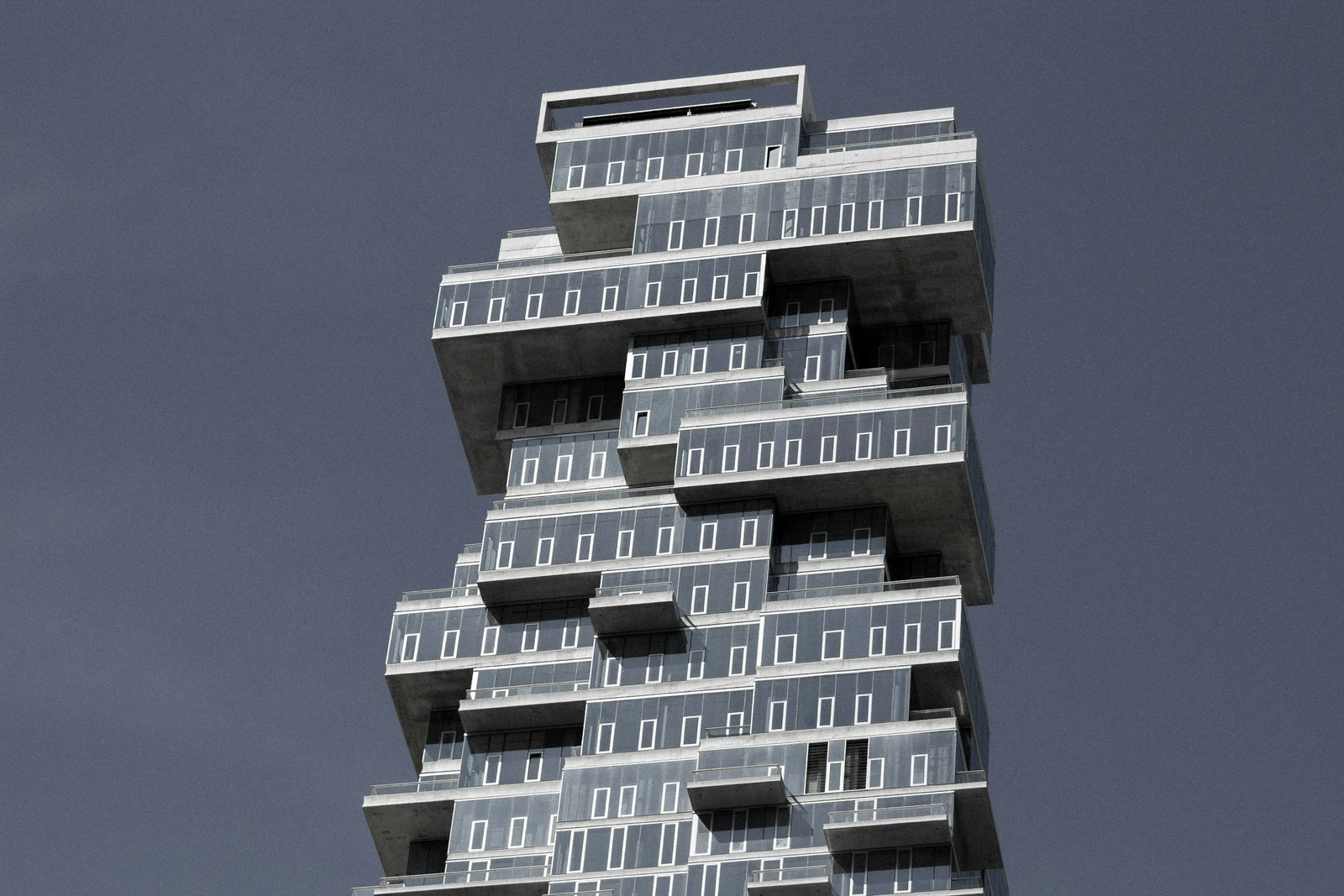
A short distance north, 140 Jane Street offers a different approach to the same market. Developed by Aurora Capital Associates with William Gottlieb Real Estate and designed by Leroy Street Studio, the condominium, originally planned with 15 residences, emphasizes architecture, privacy and exclusivity. Its planned amenities include a swimming pool and automated parking, while many residences are designed with private outdoor space. In August 2025, a penthouse entered contract with an asking price of $87.5 million, according to The Real Deal. With a small number of homes, there are fewer residential sales through which to recover the cost of developing the building. 6 7
These developments reflect a broader reality of building in Downtown Manhattan. Creating more modestly priced homes does not proportionately reduce the cost of land, foundations, structural systems or regulatory compliance. Developers therefore have a strong incentive to maximize revenue from the limited square footage available, often by incorporating distinctive architecture, premium finishes, expansive floor plans and amenities that appeal to buyers with substantial purchasing power. Ultra-luxury development is not the only financially viable model, but on exceptionally expensive downtown sites, the economics can make it particularly attractive.
What buyers are paying for
For buyers, however, the cost of creating a property and the value of owning it are two different things. A developer may need to achieve a particular price per square foot to make a project financially viable, but that does not automatically establish what a residence will command in the resale market. Buyers should consider how a property's pricing compares with established buildings, what makes it genuinely distinctive and how those attributes may be valued in the future. Architecture, floor plans, light, views, construction quality and services all matter, as do common charges, property taxes and the ongoing costs of maintaining extensive amenities.
At the highest end of the market, purchasers are often buying more than square footage. Privacy, architectural distinction, convenience and access to something genuinely difficult to replicate can justify substantial premiums. The challenge is distinguishing between enduring value and pricing driven primarily by the economics of development.
80 Clarkson and 140 Jane Street represent two interpretations of Downtown Manhattan's evolving luxury market, one defined by scale and comprehensive amenities, the other by intimacy and exclusivity. Both demonstrate the extraordinary capital required to deliver new residential inventory in the city's most desirable neighborhoods. For buyers, the essential question remains whether the qualities that make a residence expensive to create are the same ones that will make it valuable to own.
About the author
Maggie Marshall is the founder of MM&Co. at Compass, specializing in buyer representation and luxury residential real estate throughout New York City. With more than 20 years of experience, she advises purchasers on property valuation, negotiation and navigating complex transactions across Manhattan and Brooklyn. 8