 THE MAGGIE MARSHALL TEAMLet’s connect

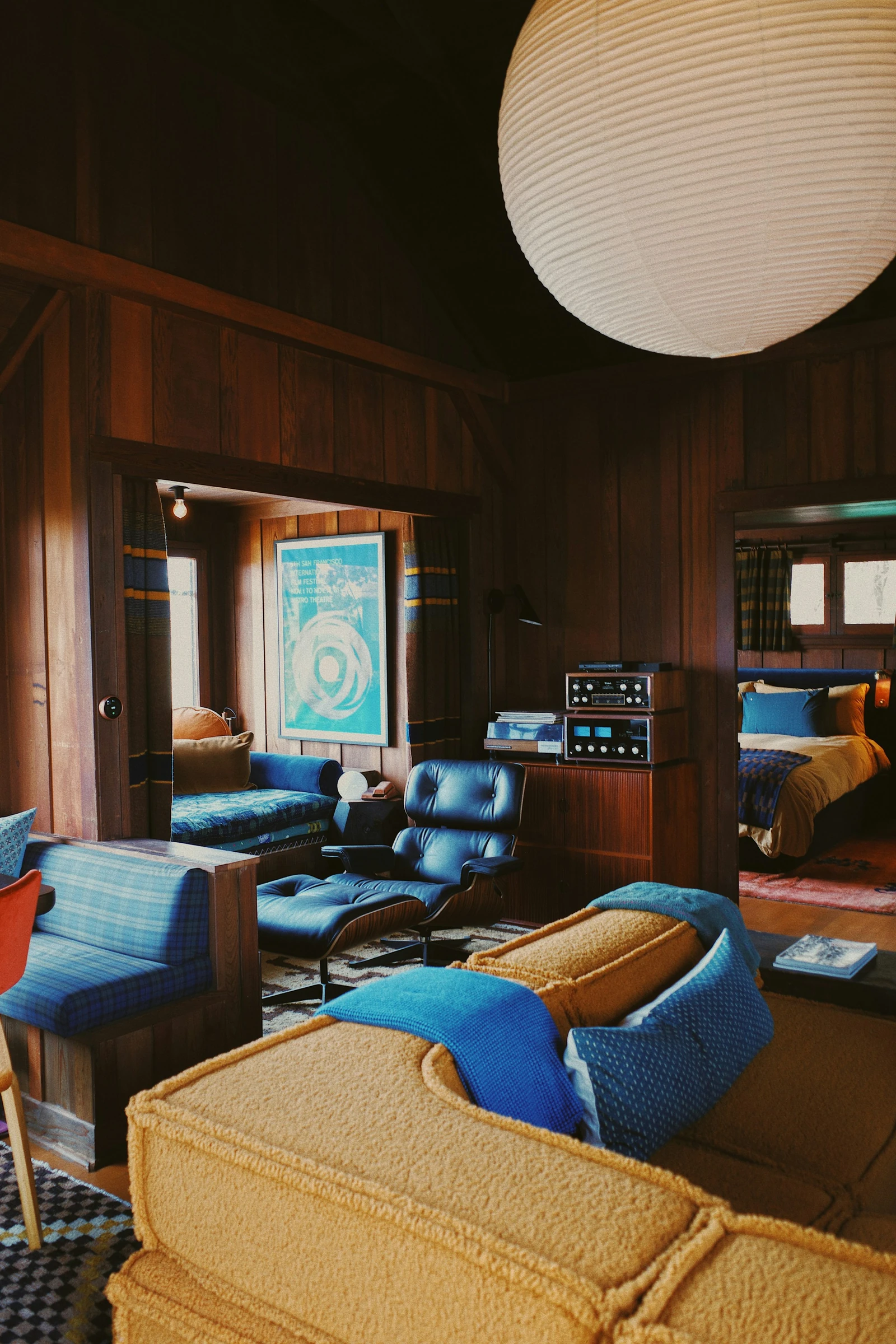
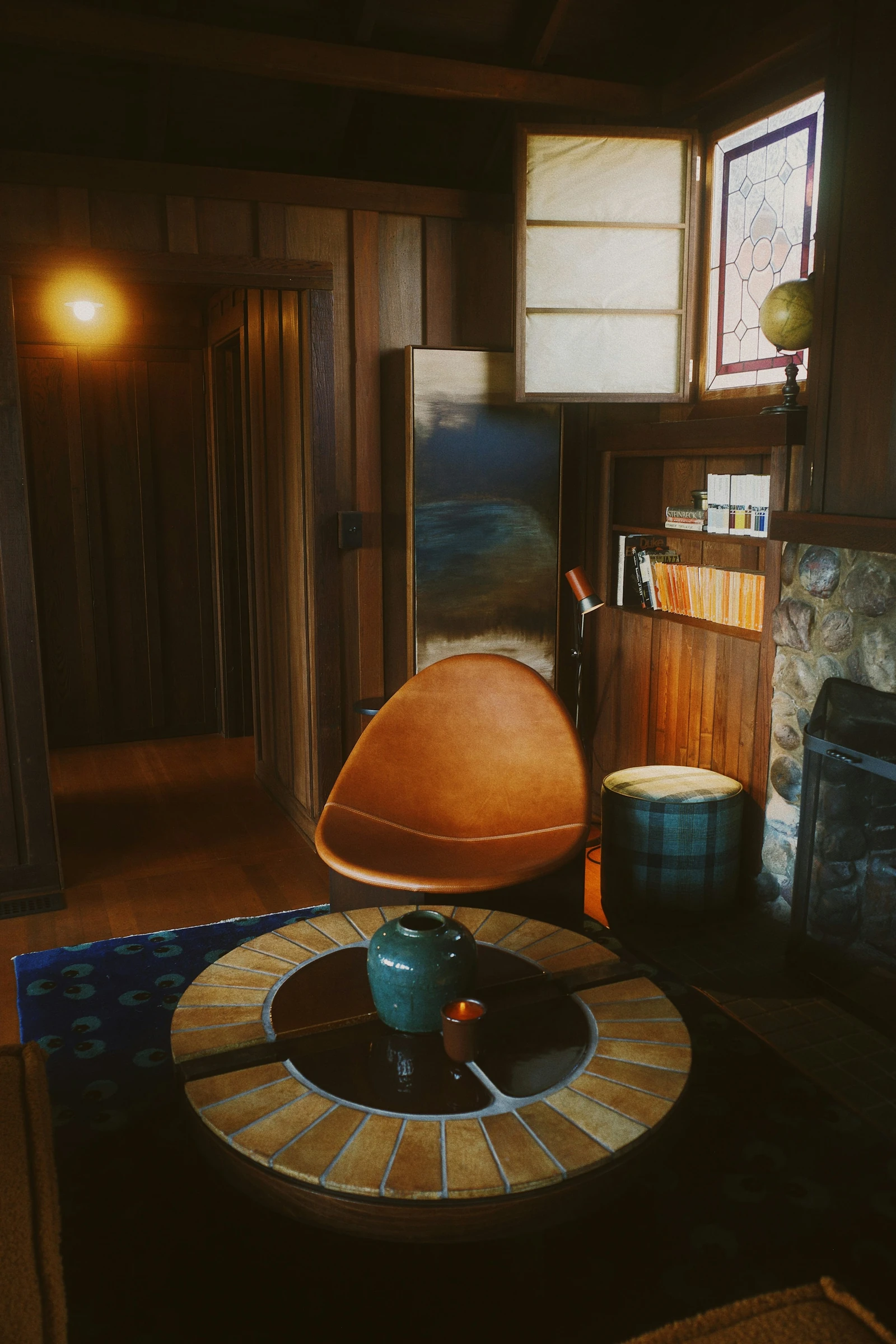
The mustard sofa is the first warm note. Timber walls deepen it; a blue chair supplies a cooler counterpoint. Above them, a white paper lantern gives the eye a place to rest. In the Laguna Beach cabin pictured here, daylight draws out the differences between these surfaces. The palette is rich, but the room’s appeal depends just as much on the way it is lit. This California interior serves as a design reference for thinking about rooms closer to home.
A room can have several favorite places over the course of a day. At ten in the morning, the chair near the window may be the obvious choice. By four, another corner can feel more inviting. The furniture has stayed put; the room’s emphasis has shifted. Paying attention to that change is a useful place to begin arranging an interior.
In New York, the view beyond the glass is part of the equation. A neighboring wall, a tree canopy or a patch of sky above a courtyard helps determine the light that reaches an apartment. Inside, the position of a door or a tall cabinet can affect how far that light travels. The window and the floor plan need to be considered together.
A room across the day
Exposure provides a starting point. The U.S. Department of Energy notes that north-facing windows tend to admit daylight with relatively little glare and summer heat, while south-facing windows can admit more winter sun. East and west exposures can bring troublesome heat and glare. Nearby buildings and trees alter those conditions, which is why a compass direction alone cannot describe the experience of a particular apartment. 13
Brightness also has texture. A patch of direct sun invites a different use from a wall washed in diffuse light. One might draw a chair toward the window on a cold afternoon; the other might be comfortable for reading or working. Both can look appealing in a listing photograph. Spending time in the room reveals how each behaves.
Consider the desk facing the window. The view may be lovely, but a comfortable working position also depends on the screen, the shade and the light at eye level. Turning the desk can change that relationship. It is worth trying the arrangement before committing to built-in furniture: the best-looking position on a plan may need a small adjustment in daily use.
Borrowing light
At Lefferts Manor House in Brooklyn, Abruzzo Bodziak Architects made light part of the circulation. In its February 2026 account of the renovation, the practice describes opening the roof above the stair hall for a large skylight, allowing daylight to travel into the lower levels. Continuous white oak millwork connects rooms and incorporates storage; the original parquet remains. The project offers an architectural example separate from the illustrative interiors shown here. 2
The stair becomes a route for light as well as people. A smaller room can suggest a related idea without construction: preserve a view of the window from the entrance, or move a cabinet that cuts across it. A doorway can then feel like an invitation into the next space, with the light beyond helping to draw the eye through.
Furniture determines whether those connections survive everyday use. A dining chair needs room to pull back. A door needs to open when the table is set. The route to the window should remain comfortable with someone seated beside it. These are small tests, but they reveal more about a layout than an empty stretch of floor viewed in isolation.
The space around a piece of furniture is part of what makes it work.
Proportion is felt in movement. A deep sofa can leave an awkward passage even in a room with generous dimensions. A smaller table might allow dining beside the window while leaving the way through clear. Marking a piece’s footprint on the floor makes those relationships easier to judge. The space around a piece of furniture is part of what makes it work.
Color in changing light
The palette takes part too. The Department of Energy identifies the colors of ceilings, walls, floors and furniture as factors in daylighting, recommending light-colored interior finishes to help reflect daylight through a space. A pale ceiling or wall can therefore do more than provide a background. It participates in the way the room is lit. 3
That still leaves room for walnut, a dark painted door or a patterned rug. Against a lighter surface, a darker cabinet can give a collection a clear outline. The balance is easiest to judge with generous paint samples placed beside the actual flooring and viewed at different hours. A color needs to belong to the room on an ordinary afternoon, as well as in its brightest moment.
Shades deserve the same attention. The Department of Energy emphasizes balancing useful daylight with the glare and heat of excessive direct sun. A window treatment is something to operate from a chair or desk, sometimes several times a day. How easily it adjusts, and what remains of the view when it is drawn, belong in the design decision. 4
After the sun goes down
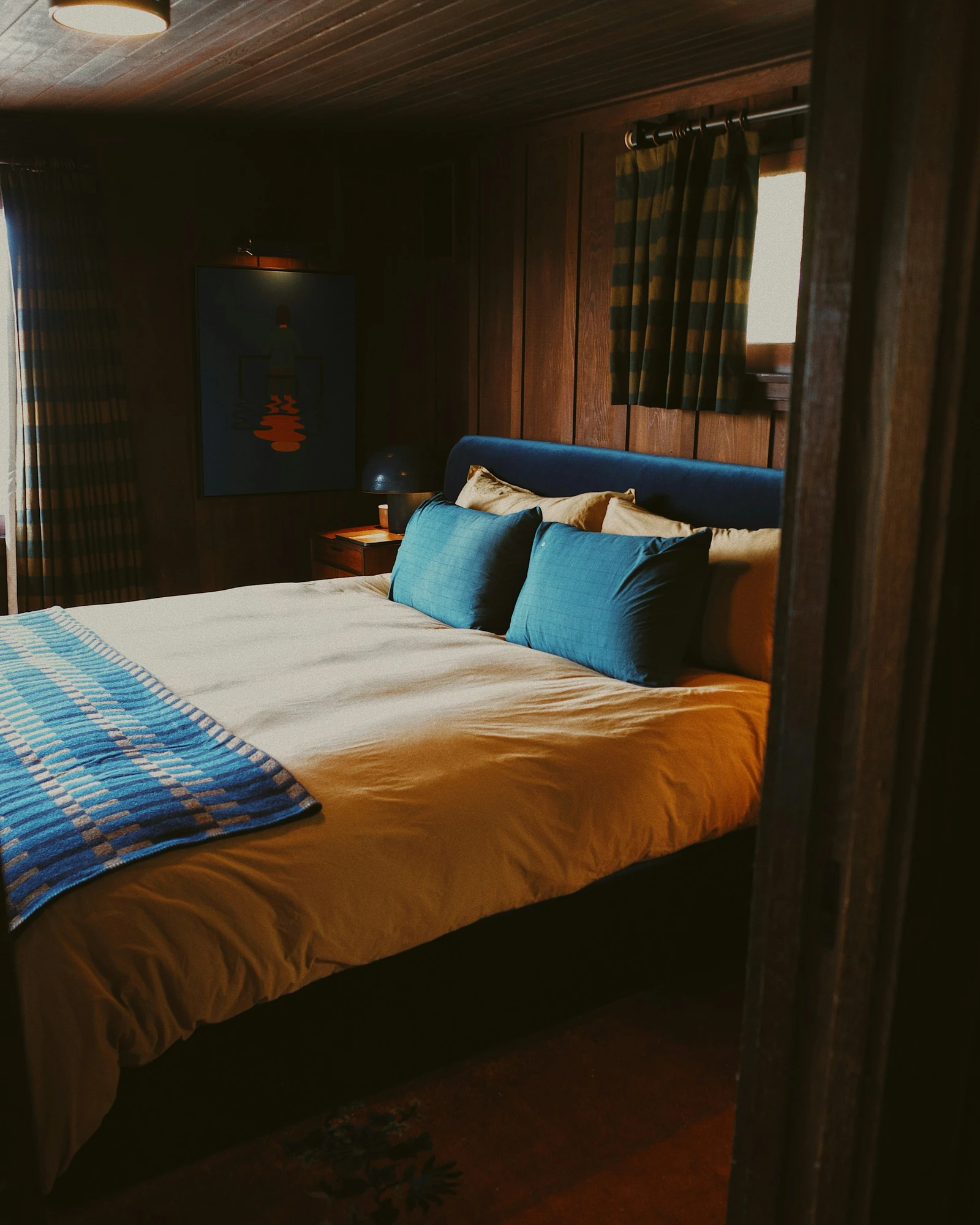
At night, the glass changes character. A bare bulb may appear in the window where the view had been. A shaded lamp can give a chair its own small circle of light or bring the dining table into focus. The height of the fitting and the position of the seat matter: moving a lamp may do more for a reading corner than adding another one.
Start with the activities that carry the room through the evening—a page, a meal, a conversation—and consider the light each needs. Then look at the paths between them. An interior should feel comfortable while someone moves through it as well as when everyone is seated.
The chair you come back to
When viewing a home, give the seat farthest from the window some attention. Picture a book there, or a mug beside it. Knowing the exposure and, when possible, returning at another hour helps fill in what a bright photograph leaves out. The question is how the light reaches the places where life will happen.
The same exercise can change a familiar room. Move a chair nearer the window, free a passage beside a table, reveal a doorway hidden by furniture. The result may be modest: a corner that becomes the place to read each morning. A room begins to feel right when its best qualities become part of the day.